
Welcome to At Charlemagne’s Behest: Recreating History’s Most Important Garden
The Little Old Lady Who Is Making Medieval Dreams Reality
When I told my children I was moving to rural France at 73 to recreate Emperor Charlemagne’s legendary garden, they thought I’d lost my mind. “You’re too old for such crazy dreams, Mom,” they said. Well, I didn’t argue—I just packed my seeds and proved them wrong.
My name is Carolyn Smith-Kizer, and I’m a Clinical Herbalist who has spent decades studying the intersection of traditional plant wisdom and modern healing. But nothing in my career prepared me for the discovery that would change everything: the Capitulaire de Villis, Charlemagne’s 795 AD mandate that listed exactly 70 plants every royal estate must grow.
This wasn’t just a gardening suggestion. This was the survival blueprint that sustained the Holy Roman Empire through plagues, famines, and wars for over 1,200 years.
Key Takeaways
The Unprecedented Project: This is an attempt to recreate the complete 70-plant garden from Charlemagne’s 795 AD Capitulaire de Villis mandate—a document that served as the survival blueprint for the Holy Roman Empire.
Historical Significance: These 70 plants weren’t randomly chosen; they represented a comprehensive system of food security, healthcare, and economic stability that sustained European civilization through plagues, famines, and wars for over 1,200 years.
Modern Relevance: Many of Charlemagne’s plants contain compounds modern science is only now understanding, yet medieval gardeners knew their practical applications centuries ago—proving ancient wisdom remains valuable today.
Living Laboratory: This project serves as a bridge between traditional plant knowledge based on centuries of experience and modern scientific understanding, preserving crucial wisdom for future generations.
Why Charlemagne’s Garden Matters More Than Ever
In 795 AD, Emperor Charlemagne issued what historians consider one of the most important agricultural documents ever written. The Capitulaire de Villis wasn’t merely administrative paperwork—it was a carefully curated survival system designed by the greatest minds of the medieval world.
These 70 plants weren’t chosen randomly. Each variety served multiple purposes: nutrition during famines, medicine during plagues, economic trade during peacetime, and spiritual significance during religious observances. Together, they created a comprehensive system of food security, healthcare, and economic stability that kept European civilization alive during its most vulnerable centuries.
What fascinates me as a Clinical Herbalist is how relevant this ancient wisdom remains today. Many of these plants contain compounds we’re only now understanding through modern science, yet medieval gardeners knew their practical applications centuries ago.
The Project Few Dare Attempt
While historical gardens exist around the world, few have attempted to recreate the complete Capitulaire de Villis garden with all 70 original varieties. Most people don’t even know this document exists.
The challenge is immense. Many of the Latin plant names had to be carefully translated into modern species. Some varieties have been lost to commercialization. Others require specific growing conditions that modern gardeners rarely encounter. But that’s exactly why this project matters so urgently.
If we don’t preserve this knowledge now, it could disappear forever.
From American Retirement to French Stone Walls
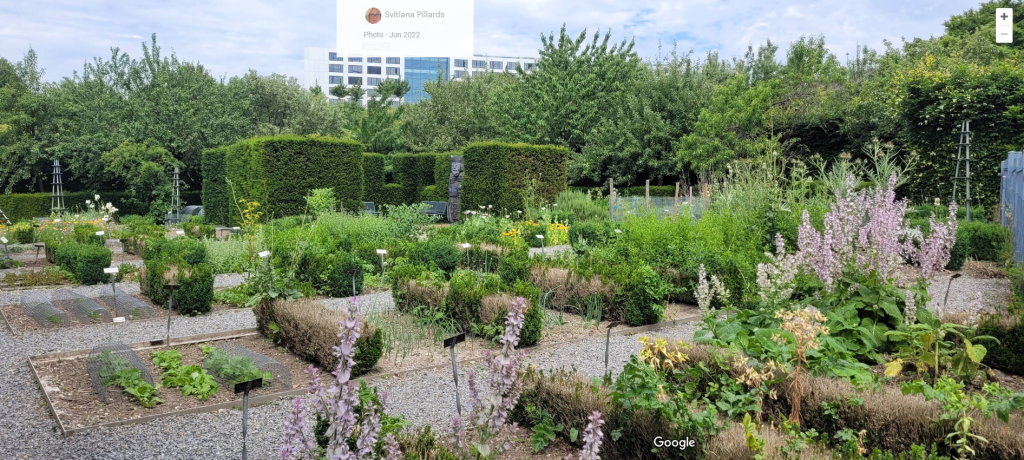
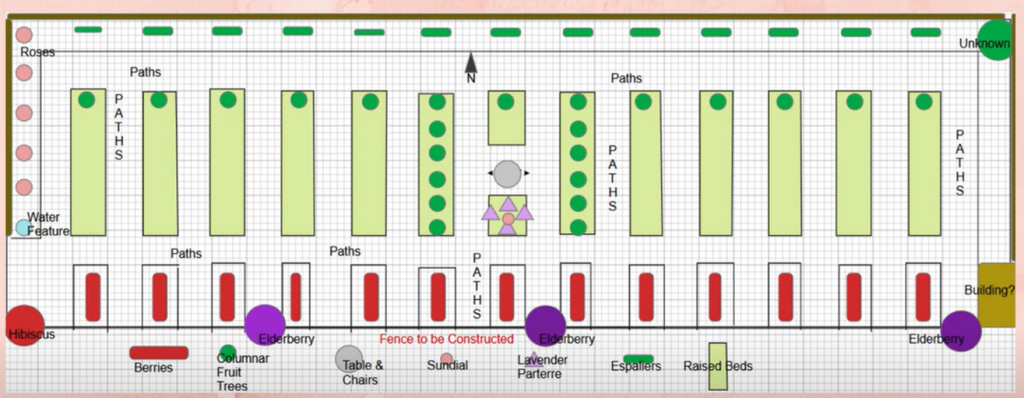
For 23,000 euros, I became the owner of a three-story stone Maison de ville with a 629-square-meter walled garden in Creuse, Nouvelle-Aquitaine, France. But I didn’t just buy a house—I bought the perfect setting to bring 1,200 years of history back to life.
Every morning, I wake up in this 19th-century home surrounded by the same type of stone walls that protected medieval gardens. My garden receives the same French sunlight that nourished Charlemagne’s original plantings. The soil here has been growing food and medicine for over a millennium.
This isn’t nostalgia—it’s living archaeology.
The 70 Plants That Built an Empire
The complete Capitulaire de Villis includes herbs that sustained armies, fruits that prevented scurvy during long sieges, vegetables that provided essential nutrition during crop failures, and medicinal plants that served as the medieval world’s pharmacy.
Some names you’ll recognize: garlic, mint, parsley, apples, and chives. Others might surprise you: ameum (tall ammi), blida (brède), and olisatr’ (alexanders)—plants that were essential to medieval life but have largely disappeared from modern gardens.
Each plant tells a story. Abrotanum (southernwood) wasn’t just grown for its aromatic properties—it was the medieval world’s moth deterrent, protecting valuable textiles in an age before chemicals. Fenugraec (fenugreek) provided protein-rich nutrition and was known as “Greek hay” for its ability to sustain both humans and livestock.
I’ll be attempting to grow every single one, documenting their cultivation, and sharing their historical uses alongside modern applications.
Where Ancient Wisdom Meets Modern Science
As a Clinical Herbalist, I bring a unique perspective to this historical recreation. I understand both the traditional uses our ancestors relied upon and the scientific research that explains why these plants worked so effectively.
Take Charlemagne’s inclusion of malva (mallow). Medieval gardeners knew it soothed inflammation and digestive troubles. Modern research has identified the mucilaginous compounds that provide these benefits. Ancient wisdom, scientific validation.
This garden represents the bridge between two worlds of plant knowledge—one based on centuries of practical experience, the other on molecular understanding. Both have value. Both deserve preservation.
Following the Project in Real Time
Through my YouTube channel “@thelittleoldlady_101,” over 24,000 subscribers are following this unprecedented project. They watch me source rare varieties, prepare medieval-style garden beds, and document each plant’s journey from historical reference to living reality.
I share “Plant of the Week” videos and monographs that dive deep into individual varieties from Charlemagne’s list. We explore their historical significance, growing requirements, traditional uses, and modern applications. It’s like having a front-row seat to history coming alive.
Why “At Charlemagne’s Behest”?
The phrase “at someone’s behest” means acting upon their request or command. In 795 AD, Charlemagne commanded every estate in his empire to grow these specific plants. He understood something we’ve forgotten: food and medicine security aren’t luxuries—they’re necessities for survival.
Over 1,200 years later, I’m answering that same behest. Not because an emperor commands it, but because our modern world desperately needs the wisdom these plants represent.
What You’ll Find Here
This website serves as headquarters for the complete Charlemagne Project:
Historical Deep Dives: The fascinating stories behind each of the 70 plants and why Charlemagne included them in his survival blueprint.
Modern Growing Guides: Practical instructions for cultivating these historical varieties in contemporary gardens, regardless of your climate or space constraints.
Traditional Applications: How our ancestors used these plants for food, medicine, and daily life, based on historical records and traditional knowledge.
Scientific Insights: Modern research that explains why these ancient applications worked, bridging historical wisdom with contemporary understanding.
Garden Progress: Real-time updates from my French garden as I work through the challenges of growing varieties that haven’t been cultivated together for centuries.
A Living Laboratory for Ancient Wisdom
This isn’t just about recreating a historical garden—it’s about proving that the old ways remain relevant. In our uncertain world, shouldn’t we all have access to the plant knowledge that sustained civilizations through their darkest periods?
Every plant I grow, every traditional technique I employ, every historical application I document contributes to a living laboratory of medieval wisdom. Future generations will benefit from this preserved knowledge, just as we benefit from the foresight of an emperor who understood the critical importance of plant diversity.
CHARLEMAGNE’S COMPLETE PLANT LIST & MODERN GROWING GUIDE
Join the Journey
Whether you’re a seasoned herbalist, a history enthusiast, a gardener curious about heritage varieties, or simply someone who believes that dreams have no expiration date, you’re welcome in this community.
Follow along as we prove that a 76-year-old woman in rural France can recreate an emperor’s garden and make 1,200-year-old wisdom relevant for modern times. Because if this little old lady can answer Charlemagne’s behest, imagine what you might accomplish in your own garden.
The old ways aren’t outdated—they’re just waiting for us to make them new again.
Welcome to At Charlemagne’s Behest, where medieval wisdom meets modern wonder.
-
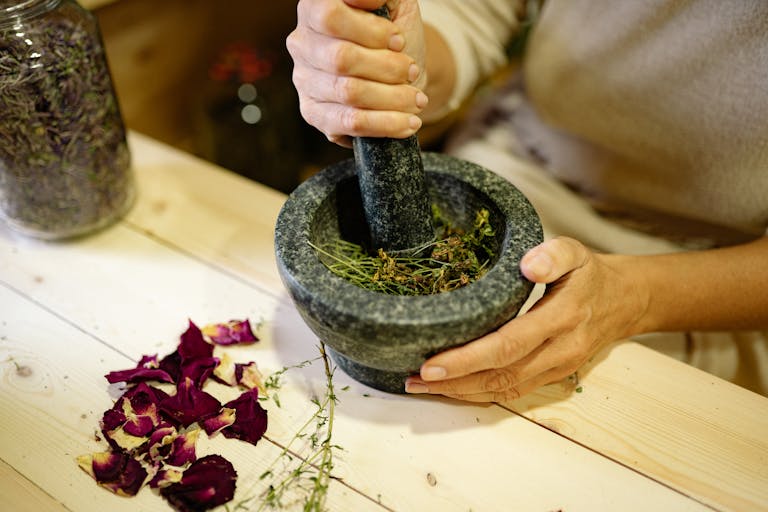
What the Stillroom Knew: Herbs, Blood Pressure, and the Body That Is Not Making a Mistake
A Note on Sources This interstitial post takes a modern conversation as its departure point — a discussion between health researcher Ari Whitten and Dr. Christopher Pickard on the functional medicine approach to blood pressure — and reads it through the lens of Galenic medicine and the stillroom tradition. Where modern research and ancient practice…
-
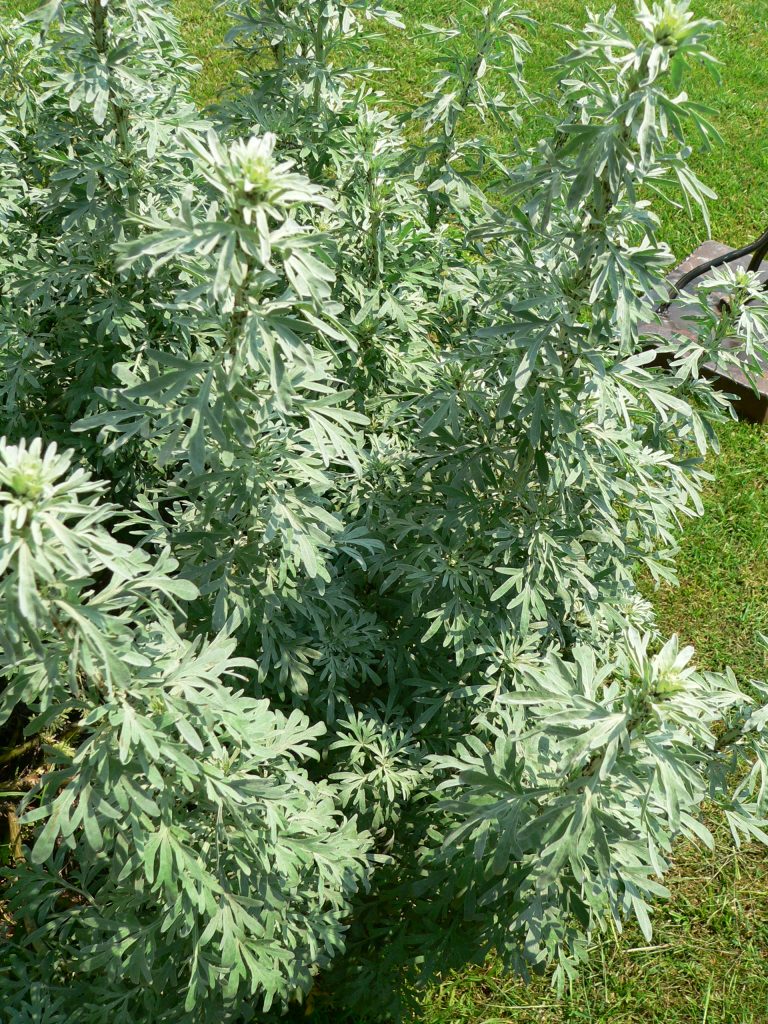
Artemisia absinthium L. Monograph: Wormwood
Saturn’s Great Regulator ~ Absinthium in Carolingian Medicine and Modern Practice Artemisia absinthium occupies an unusual position in the European materia medica: it is simultaneously one of the most ancient, most consistently described, and most persistently misunderstood plants in the clinical tradition. Its presence in the Carolingian garden is documented not in the administrative plant…
-
From the Pays Illinois to the Gas Station: How Charlemagne Explains American Portions
A British man appeared recently on the internet, armed only with honesty and a sense of proportion. “America has got pew-pews, space and lots of confidence. In the UK, we’ve just got Greggs and rain. There’s no match, honestly. We are like America’s tiny, tiny little baby brother and sister.” The video — which you…

About the Author: Carolyn Smith-Kizer is a Clinical Herbalist and the creator of “The Little Old Lady” YouTube channel, where she documents her unprecedented project of recreating Charlemagne’s complete 70-plant medieval garden in rural France. At 76, she proves daily that age is just a number when you’re passionate about preserving historical plant wisdom for future generations.